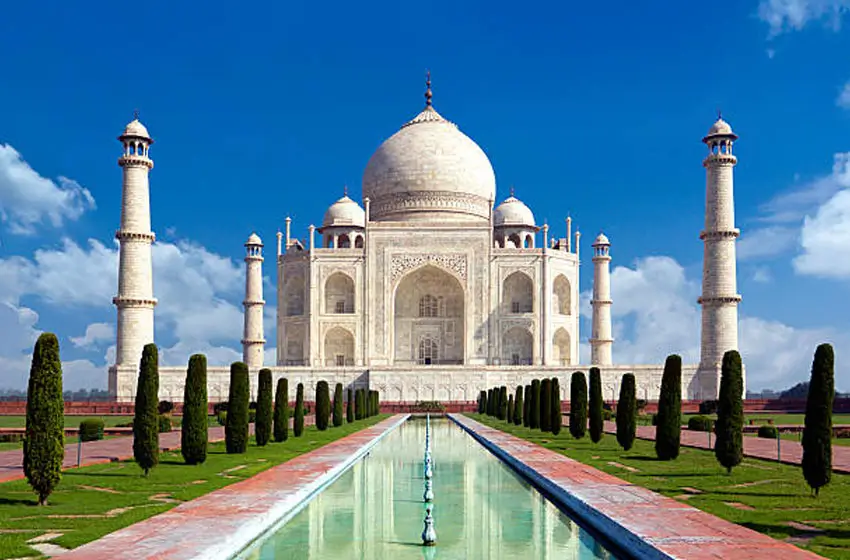
Agra, set on the banks of the Yamuna River in Uttar Pradesh, is a city that stands as the heart of India’s Mughal heritage. Known globally for the TajMahal, Agra is more than a single monument—it is a living testimony to centuries of art, culture, and craftsmanship. From majestic forts to finely designed gardens and bustling bazaars, Agra offers travelers a chance to experience the golden age of the Mughal Empire. While the TajMahal remains its crown jewel, Agra also rewards its visitors with rich food traditions, marble artistry, and heritage hotels that continue the city’s royal legacy.
Agra’s historical significance dates back to the 16th century when it was established as the Mughal capital by Emperor Akbar. Under the reign of Akbar, Jahangir, and Shah Jahan, the city flourished with monumental architecture, gardens, and art. Shah Jahan’s contribution—the TajMahal—became the city’s most iconic symbol and one of the Seven Wonders of the World. Agra’s story is not just about emperors but also about artisans whose skills in stone carving, inlay work, and calligraphy continue to echo through the city’s culture. Walking through Agra is like stepping into a chapter of history where every monument narrates tales of love, power, and art.
TajMahal
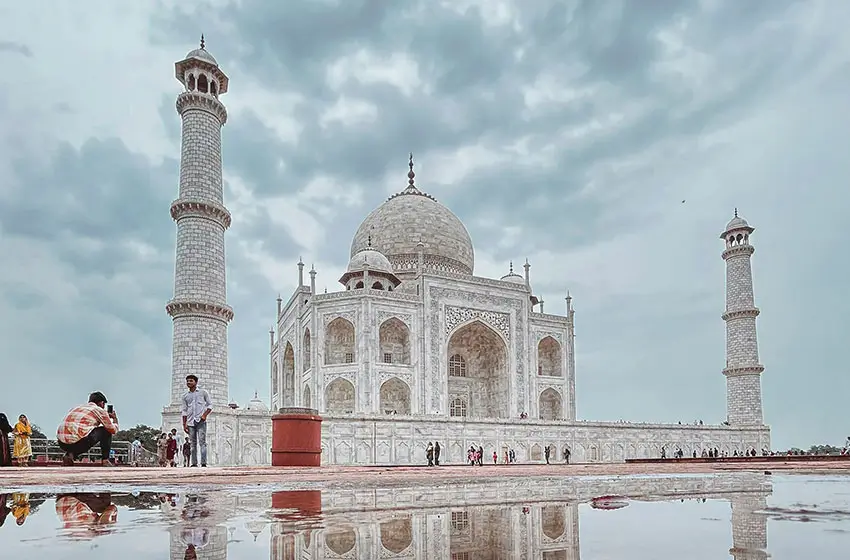
No monument in the world matches the aura of the TajMahal. Built in white marble by Shah Jahan in memory of his wife MumtazMahal, this mausoleum is celebrated for its symmetry, calligraphy, and intricate inlay work. Sunrise and sunset are the most magical times to view the Taj, as the changing light transforms its hues.
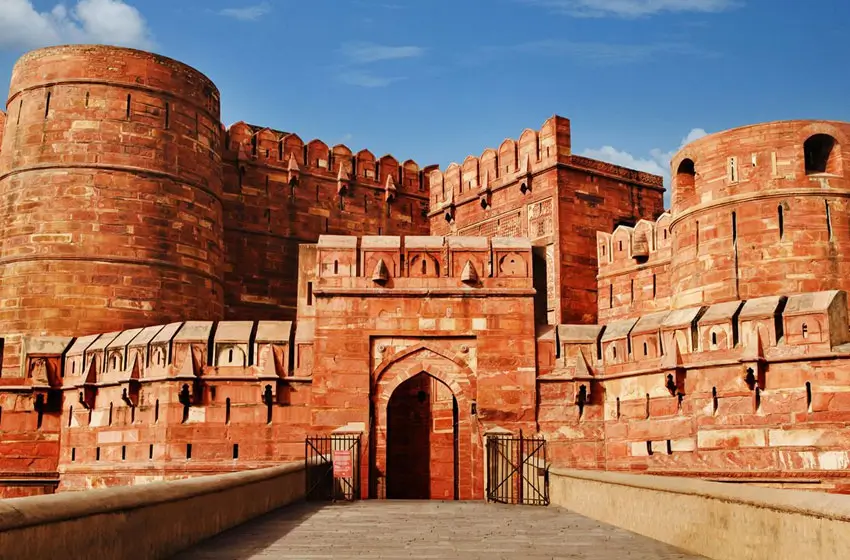
Agra Fort
Another UNESCO site, Agra Fort is a majestic red sandstone structure that was once the seat of the Mughal Empire. Its palaces, courtyards, and gardens offer a glimpse into royal life. From the fort’s balconies, one can see the TajMahal in the distance, a view that once comforted Shah Jahan during his imprisonment.
Itmad-ud-Daulah’s Tomb
Often called the “Baby Taj,” this tomb is a precursor to the TajMahal. Built in marble with delicate inlay work, it stands as an elegant example of Mughal craftsmanship and Persian influence.
MehtabBagh
Located across the Yamuna, MehtabBagh offers one of the best views of the TajMahal, especially during sunset. The garden was originally laid out by the Mughals and remains a serene place for photography and relaxation.
Akbar’s Tomb, Sikandra
Situated on the outskirts of Agra, this mausoleum reflects Akbar’s secular vision with architectural elements inspired by Hindu, Islamic, and Persian traditions.
Jama Masjid Agra
A grand mosque built during Shah Jahan’s reign, Jama Masjid is an important spiritual center and a fine example of Mughal religious architecture.
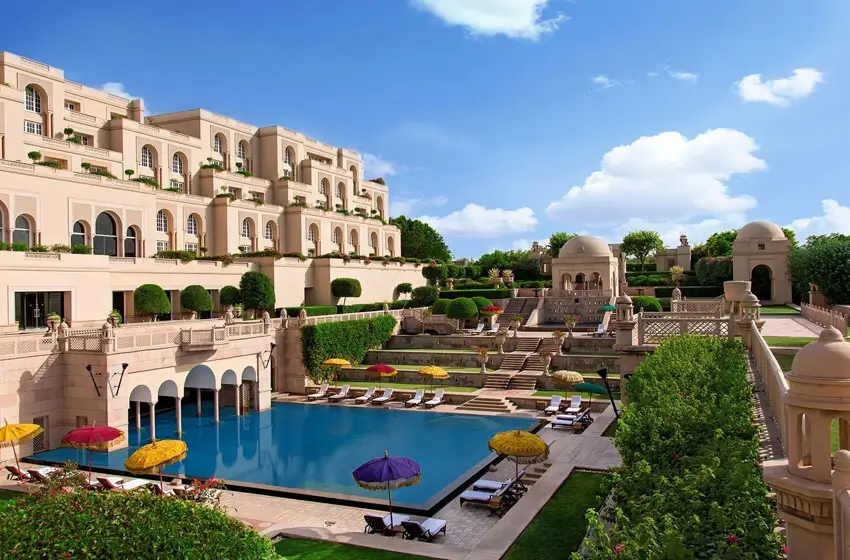
Agra provides much more than sightseeing. Travelers can enjoy curated experiences like private guided tours of the TajMahal at sunrise, heritage walks through the old city, and cultural evenings with classical music against the backdrop of Mughal monuments. For food lovers, luxury dining experiences that combine Mughlai recipes with modern presentation are a highlight. Shopping tours for pietradura (marble inlay), carpets, and handicrafts can be arranged with trusted artisans. For a royal touch, staying in heritage properties like ITC Mughal or OberoiAmarvilas gives guests a chance to enjoy views of the Taj right from their balconies.
Beyond the monuments, Agra offers hidden treasures. The narrow lanes of Kinari Bazaar are filled with traditional jewelry, fabrics, and handicrafts. Mughal Heritage Walks, organized around Kachhpura village, show visitors rural life along the Yamuna. Roman Catholic Cemetery, with its Indo-Portuguese tombs, tells an unusual story of Agra’s multicultural past. These sites allow travelers to see Agra as more than just a city of monuments.
The best months to explore Agra are from October to March. The cool weather allows travelers to comfortably explore the monuments and gardens. The TajMahotsav, held in February, is a cultural festival that showcases music, dance, and handicrafts from across India. Summers are extremely hot and may not be ideal for outdoor visits, while monsoons add a touch of greenery but come with humidity.
Agra is as famous for its food as it is for its monuments. Mughlai dishes such as kebabs, tandoori chicken, and mutton korma are must-tries. Street foods like bedai and jalebi add local flavors to the city. Agra’s petha (a sweet made from ash gourd) has become an iconic delicacy. Shopping in Agra revolves around marble inlay work, leather goods, and carpets. Kinari Bazaar and Sadar Bazaar are ideal for handicrafts, while government emporiums guarantee authenticity.
Agra offers some of the best luxury hotels in India. The OberoiAmarvilas, located close to the TajMahal, provides rooms with uninterrupted views of the monument. ITC Mughal, with its Mughal-inspired architecture, offers a blend of heritage and modern amenities. Other premium options include Trident Agra, Jaypee Palace, and Radisson Blu. These hotels not only provide comfort but also reflect Agra’s royal spirit.
For the best experience, travelers should plan their TajMahal visit during early morning or late afternoon to avoid crowds and heat. Comfortable walking shoes are recommended, as most monuments require exploring on foot. Hiring a private guide ensures a deeper understanding of Agra’s history, while booking tickets online helps skip long queues. Street shopping requires bargaining, but travelers should purchase high-value handicrafts only from reputed shops.

07 Days - 06 Nights
Delhi - Agra - Ranthambore - Jaipur - Delhi
08 Days - 07 Nights
Delhi - Agra - Jaipur - Varanasi
06 Days - 05 Nights
Delhi - Agra - Jaipur
09 Days - 08 Nights
Delhi - Agra - Fatehpur Sikri - Jaipur - Delhi
09 Days - 08 Nights
Jaipur - Jodhpur - Udaipur - Agra
11 Days - 10 Nights
Delhi - Agra - Jaipur - Fatehpur Sikri - Udaipur - Varanasi