
Jaipur, fondly called the Pink City, is one of India’s most captivating destinations. Built in 1727 by Maharaja Sawai Jai Singh II, Jaipur is celebrated for its planned layout, striking pink-hued facades, and royal heritage. The city is part of India’s Golden Triangle and offers a blend of majestic forts, ornate palaces, lively bazaars, and vibrant traditions. Every corner of Jaipur reflects a royal legacy, from the grandeur of Amber Fort to the bustling Johari Bazaar filled with gems and textiles. For travelers seeking a mix of culture, history, and modern luxury, Jaipur is an unmatched choice.
Jaipur is unique because it was India’s first planned city, designed according to VastuShastra and ShilpaShastra principles. Its grid-style layout, wide streets, and walled city structure remain an architectural marvel. Declared a UNESCO World Heritage City, Jaipur represents the vision of its rulers who blended scientific urban planning with aesthetics. The legacy of the Kachwaha Rajput rulers is preserved in its palaces, temples, and forts that stand proudly against the backdrop of the Aravalli Hills.
Amber Fort
Amber Fort, built with red sandstone and marble, is a masterpiece of Rajput architecture. With ornate courtyards, mirrored halls, and scenic views over Maota Lake, the fort presents an insight into royal life. Sound-and-light shows held in the evening enhance the experience.
City Palace
At the center of Jaipur lies the City Palace, a residence of the royal family that also houses museums showcasing textiles, arms, and royal artifacts. Its courtyards and gateways reflect Mughal and Rajput influences.
HawaMahal
Known as the Palace of Winds, HawaMahal’s façade with hundreds of jharokhas is an architectural wonder. It was designed for royal women to view processions while remaining unseen.
JantarMantar
This astronomical observatory, another UNESCO site, houses large stone instruments that were used to study the stars. It remains an example of India’s scientific heritage.
Nahargarh Fort
Perched on the Aravalli Hills, Nahargarh Fort provides a panoramic view of Jaipur city. The fort is also known for its palace interiors and evening atmosphere.
Jaigarh Fort
Home to the world’s largest cannon on wheels, Jaigarh Fort was a stronghold of the Rajputs. Its massive walls and watchtowers offer an impressive look at Rajput defense systems.
Albert Hall Museum
This Indo-Saracenic style museum houses rare artifacts, miniature paintings, and cultural exhibits. Its evening illumination makes it one of the most photographed spots in Jaipur.
Jaipur is a city where luxury blends with tradition. Travelers can stay in restored palaces such as Rambagh Palace and Raj Palace, where every room carries a royal touch. Private shopping tours with jewelers and textile experts offer personalized experiences. Hot air balloon rides over Amber Fort and the surrounding hills create memories of a lifetime. Travelers can also enjoy curated Rajasthani dinners with folk dance and music in heritage courtyards. For wellness seekers, spa therapies infused with Ayurveda provide relaxation in luxurious settings.
Away from the main tourist trail, Jaipur holds treasures that reveal its cultural depth. The Anokhi Museum of Hand Printing showcases Rajasthan’s block printing tradition. PannaMeenakaKund, a stepwell near Amber, is a striking example of geometry in architecture. The lesser-visited Galtaji Temple, with its natural springs and pavilions, is another spot that fascinates visitors. Exploring these sites allows travelers to see Jaipur’s local side beyond its monuments.
The ideal time to visit Jaipur is from October to March, when the weather is pleasant and ideal for sightseeing. Winter evenings bring a festive atmosphere, with cultural fairs and events filling the city. The Jaipur Literature Festival, held every January, attracts global travelers and intellectuals. Summer months can be extremely hot, while the monsoon brings a different charm with lush landscapes but may restrict outdoor plans.
Jaipur is a paradise for food lovers and shoppers. Traditional Rajasthani dishes like dal baatichurma, laalmaas, and ghevar are must-try specialties. Street food such as pyaazkachori and samosas add flavor to the city’s culinary map. Shopping in Jaipur is an experience in itself—Johari Bazaar for gemstones and jewelry, Bapu Bazaar for textiles and handicrafts, and Tripolia Bazaar for lacquer bangles. Travelers seeking premium brands can head to modern malls, while authentic handicrafts are best purchased from government emporiums.
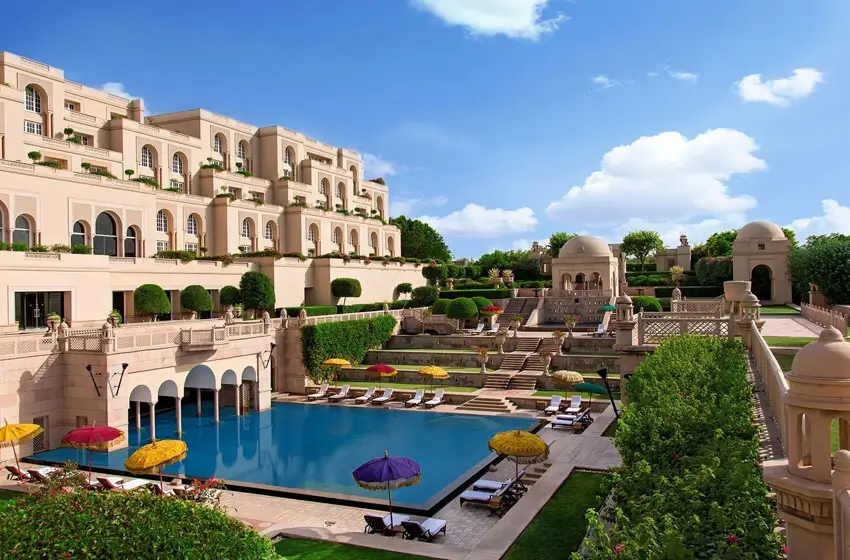
Jaipur offers some of the finest luxury accommodations in India. Rambagh Palace by Taj Hotels is a former royal residence that defines grandeur. The OberoiRajvilas combines luxury with serene landscapes. ITC Rajputana and Jai Mahal Palace are other iconic hotels offering lavish hospitality. Boutique stays like Samode Haveli allow guests to experience heritage with personal attention.
Comfortable cotton clothing is ideal during the day, while light woolens are recommended in winter evenings. Private cars with drivers are the most convenient way to explore the city, especially for forts located outside the main city center. Bargaining is common in street markets, but high-value items like jewelry should only be purchased from reputed shops. When visiting temples and heritage sites, modest attire and respectful behavior are appreciated.
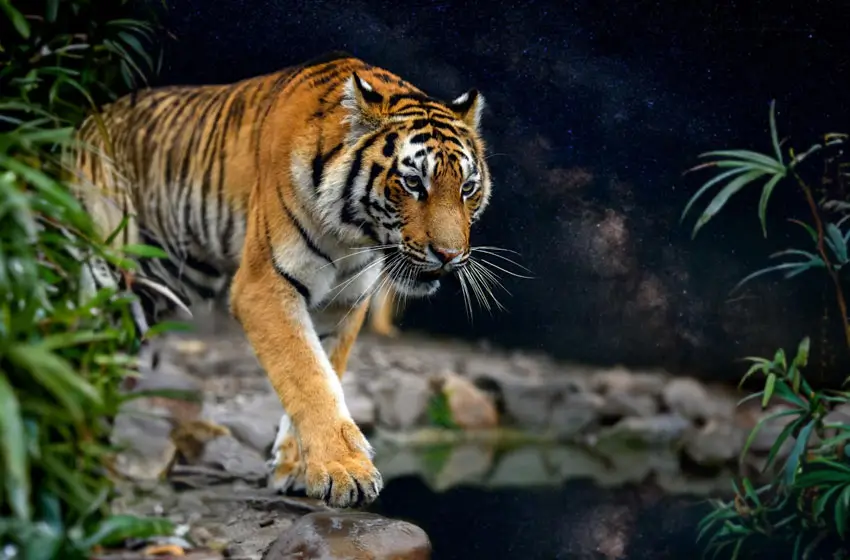
07 Days - 06 Nights
Delhi - Agra - Ranthambore - Jaipur - Delhi
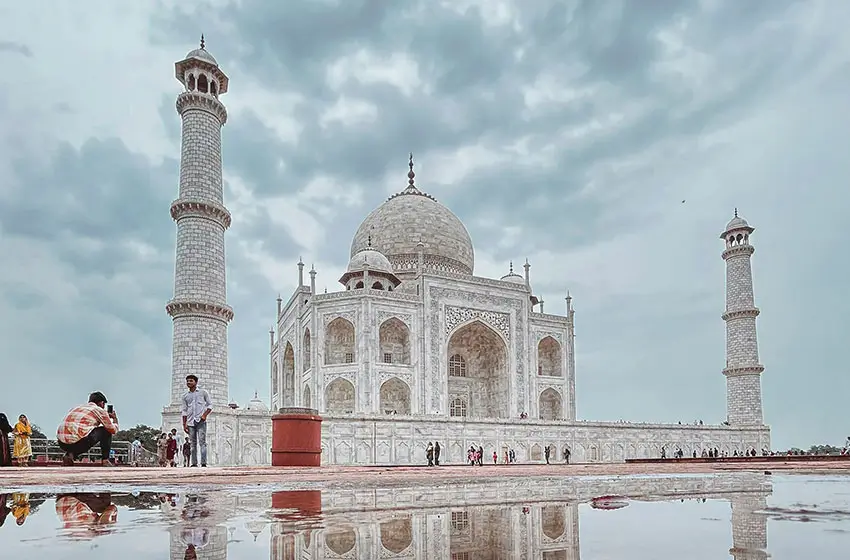
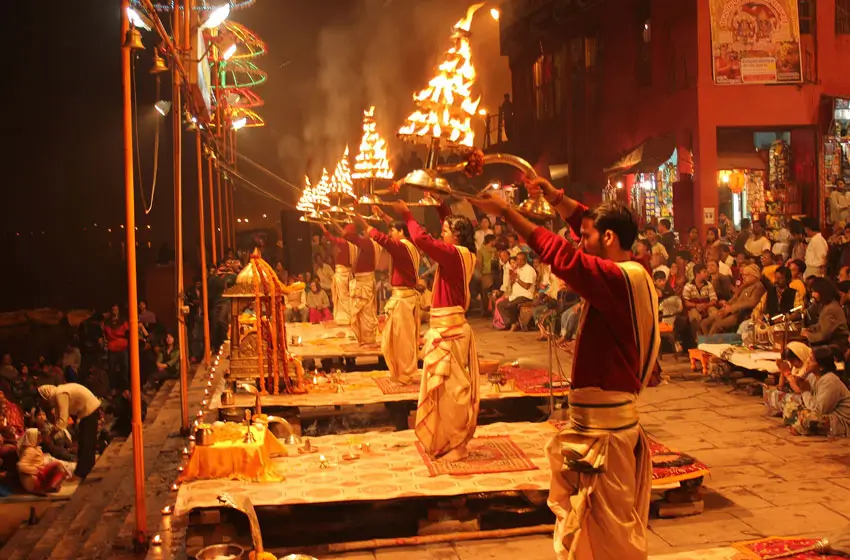
08 Days - 07 Nights
Delhi - Agra - Jaipur - Varanasi
06 Days - 05 Nights
Delhi - Agra - Jaipur
09 Days - 08 Nights
Jaipur - Jodhpur - Udaipur - Agra
11 Days - 10 Nights
Delhi - Agra - Jaipur - Fatehpur Sikri - Udaipur - Varanasi