
Varanasi, also known as Kashi or Banaras, is one of the oldest continuously inhabited cities in the world. Situated on the banks of the holy Ganga River in Uttar Pradesh, the city is considered the spiritual heart of India. For centuries, pilgrims have come here to bathe in the river, perform rituals, and seek blessings in its countless temples. Varanasi is a city of contrasts—sacred rituals on the ghats, narrow alleys filled with chants and aromas, and vibrant markets alive with color and sound. For travelers, Varanasi offers an unforgettable journey into India’s spiritual essence, where faith, culture, and daily life flow seamlessly together.
Varanasi’s roots stretch back over 3,000 years, making it one of the oldest cities in human history. Known as the city of Lord Shiva, Varanasi has been a center of learning, spirituality, and culture since ancient times. Saints, philosophers, and poets like Tulsidas, Kabir, and Buddha have left their mark here. The city flourished as a hub for silk weaving, Ayurveda, and classical music. Even today, its traditions remain alive through rituals, temples, and cultural practices that define its timeless identity.
Ghats of Varanasi
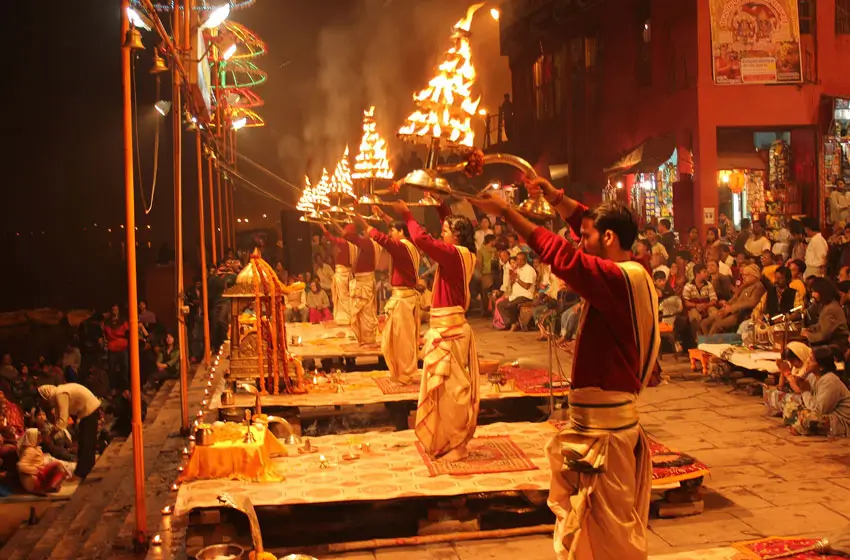
The ghats along the Ganga are the soul of the city. DashashwamedhGhat is the most famous, known for its grand evening Ganga Aarti with chanting, bells, and lamps illuminating the river. AssiGhat is popular with students, travelers, and locals. ManikarnikaGhat, the main cremation ground, reflects the city’s philosophy of life and death.
KashiVishwanath Temple
Dedicated to Lord Shiva, this temple is one of the twelve Jyotirlingas and the spiritual heart of Varanasi. Recently renovated, it attracts millions of pilgrims each year. The temple complex radiates devotion and energy.
Sarnath
Just outside Varanasi, Sarnath is the place where Buddha gave his first sermon after enlightenment. The site includes the Dhamek Stupa, monasteries, and a museum with rare Buddhist artifacts.
Ramnagar Fort
Located across the river, Ramnagar Fort was built in the 18th century. The fort houses a museum with royal collections of arms, manuscripts, and vintage vehicles. Its setting on the riverbank adds to its charm.
Banaras Hindu University (BHU)
Founded in 1916, BHU is one of India’s most prestigious educational institutions. Its campus includes the Bharat Kala Bhavan Museum, which houses rare art, paintings, and sculptures.
Temples of Varanasi
Apart from KashiVishwanath, temples like SankatMochan Hanuman Temple, Durga Temple, and TulsiManasMandir are significant landmarks that highlight the city’s religious diversity.
Varanasi is not only about spirituality—it also offers refined cultural and luxury experiences. Private boat rides at dawn reveal a mystical view of the ghats as the rising sun colors the river golden. Attending the evening Ganga Aarti from a reserved boat provides an exclusive experience. Travelers can stay at heritage hotels overlooking the river, where traditional music and yoga sessions are part of the experience. Workshops on silk weaving allow visitors to see artisans at work, while guided food tours through narrow lanes introduce the city’s culinary heritage.
Beyond its main attractions, Varanasi holds treasures that only a few explore. The lanes of Godowlia and Thatheri Bazaar are filled with authentic silk weavers and shops that have existed for generations. The Alamgir Mosque, built by Mughal Emperor Aurangzeb, stands as a blend of Islamic and Hindu architecture. The Nepali Temple, located near LalitaGhat, is built in traditional Nepali style with wood carvings. These sites present a quieter, yet equally fascinating side of the city.
The best season to visit is between October and March. Winters bring cool mornings and evenings, perfect for boat rides and temple visits. Festivals like DevDeepawali in November, when the ghats are lit with thousands of lamps, create unforgettable sights. Summer months can be very hot, while the monsoon season brings heavy rains but also a unique charm as the ghats overflow with water.
Varanasi is famous for its street food and traditional sweets. Travelers must try kachorisabzi, tamatarchaat, and lassi served in earthen pots. Sweets like malaiyo (a winter specialty) and rabri are local favorites. Shopping in Varanasi is incomplete without purchasing Banarasi silk sarees, known worldwide for their craftsmanship. The city’s markets also offer brassware, wooden toys, and spiritual souvenirs.
Varanasi offers a range of luxury and heritage stays. Brij Rama Palace, located on Darbhanga Ghat, is a restored palace hotel with views of the Ganga. TajNadesar Palace, set in lush gardens, offers royal hospitality. Rivatas by Ideal and Radisson Hotel provide modern luxury. Boutique stays along the ghats offer unique experiences with views of daily rituals and river life.
Travelers should wear modest clothing, especially when visiting temples and ghats. Early mornings are ideal for boat rides, while evenings are best for the Ganga Aarti. Narrow lanes can be crowded, so comfortable footwear is important. Hiring a knowledgeable guide enhances the experience, especially in understanding rituals and traditions. Respect local customs during photography, particularly at cremation ghats.
08 Days - 07 Nights
Delhi - Agra - Jaipur - Varanasi
06 Days - 05 Nights
Delhi - Agra - Jaipur
09 Days - 08 Nights
Delhi - Agra - Fatehpur Sikri - Jaipur - Delhi