
Ranthambore, located in Sawai Madhopur district of Rajasthan, is one of India’s most famous national parks. Spread across forests, lakes, and ancient ruins, Ranthambore is best known for its population of Bengal tigers that roam freely in their natural habitat. The park is more than a wildlife destination—it is a blend of history, nature, and culture. Within its boundaries lie centuries-old temples, the majestic Ranthambore Fort, and picturesque landscapes that change with every season. For travelers, Ranthambore offers thrilling jungle safaris, close encounters with wildlife, and the luxury of staying in world-class jungle lodges.
Before it became a wildlife sanctuary, Ranthambore was a royal hunting ground for the Maharajas of Jaipur. The Ranthambore Fort, a UNESCO World Heritage Site, dates back to the 10th century and overlooks the park from a rocky hilltop. Inside the fort are temples, palaces, and reservoirs that speak of its strategic importance. Over the centuries, Ranthambore became a prized region due to its forests and fertile land. In 1955, it was declared a wildlife sanctuary, and in 1973 it became one of the first tiger reserves under India’s Project Tiger program. Today, Ranthambore remains a symbol of India’s conservation success.
Ranthambore National Park
The main attraction is the national park itself, which spans nearly 1,300 square kilometers including core and buffer zones. Safaris here offer sightings of tigers, leopards, sloth bears, striped hyenas, wild boars, and marsh crocodiles. The park’s landscape of dry deciduous forest, lakes, and rocky hills adds drama to every safari experience.
Ranthambore Fort
Perched above the park, Ranthambore Fort is an architectural marvel. Within its walls are temples dedicated to Lord Ganesha, Shiva, and Ramlalaji, as well as pavilions and stepwells. The fort offers panoramic views of the jungle below.
PadamTalao Lake
This scenic lake within the park is a favorite spot for wildlife sightings, especially during summer. The red sandstone structure of JogiMahal, located on its banks, adds to its beauty.
Trinetra Ganesh Temple
Located inside Ranthambore Fort, this temple is one of the oldest in Rajasthan and is highly revered by locals. Pilgrims visit to seek blessings of Lord Ganesha before starting any new journey.
Raj Bagh Ruins
Scattered within the park are old palace ruins and arches, where tigers are often seen resting. These structures create an unusual combination of history and wildlife.
Ranthambore is not just about spotting tigers—it is also about enjoying the wilderness in style. Luxury travelers can stay in lodges that combine comfort with rustic charm. Morning and evening jeep safaris, led by expert naturalists, create thrilling adventures. Photography tours offer opportunities to capture rare wildlife moments. Private bush dinners under the stars, spa sessions in nature-inspired resorts, and curated village visits make Ranthambore an exclusive retreat. Travelers can also enjoy birdwatching sessions, as the park is home to over 300 species of birds.
Beyond the safaris, Ranthambore holds quiet treasures. The Surwal Lake, located outside the park, is a paradise for bird lovers during winter. Kachida Valley, with its rugged hills, is known for leopard sightings. The Rajiv Gandhi Regional Museum of Natural History in SawaiMadhopur showcases Rajasthan’s biodiversity. Local villages around the park offer cultural interactions, including craft workshops and traditional Rajasthani meals. These experiences allow visitors to see Ranthambore’s natural and human heritage side by side.
The park is open from October to June. The best season for tiger sightings is March to June, when animals come to the lakes to drink water. However, the winter months from October to February are more comfortable for travelers, with pleasant weather and clear skies. Monsoon months (July to September) see the park closed for tourists to allow the forest to regenerate.
Ranthambore is not a shopping hub like Jaipur or Udaipur, but local markets in SawaiMadhopur sell handicrafts, tiger-themed souvenirs, and Rajasthani textiles. Travelers can buy hand-block printed fabrics, wooden toys, and wildlife paintings. In terms of food, most luxury resorts serve gourmet Indian and continental meals. Local dishes like dal baatichurma, laalmaas, and kersangri are also part of the experience. Small eateries outside the park offer traditional Rajasthanithalis for those who want to try local flavors.
Ranthambore is home to some of India’s finest jungle resorts. Aman-i-Khas offers luxury tents with private dining and curated safari experiences. Oberoi Vanyavilas combines elegance with nature, featuring tented villas surrounded by landscaped gardens. Sujan Sher Bagh offers a blend of colonial safari style with modern comfort. Other options like Nahargarh Ranthambore and Tigress Spa & Resort provide premium stays with authentic Rajasthani hospitality. These accommodations create an immersive jungle atmosphere while maintaining luxury standards.
Travelers should book safaris in advance, as seats are limited and demand is high during peak season. Morning safaris can be chilly in winter, so warm clothing is recommended. Neutral-colored outfits help blend into the jungle environment. Binoculars and cameras are essential for wildlife enthusiasts. Respecting park rules—such as maintaining silence, avoiding littering, and not disturbing animals—is crucial for safety and conservation. Hiring certified naturalists enhances the safari experience with expert insights.
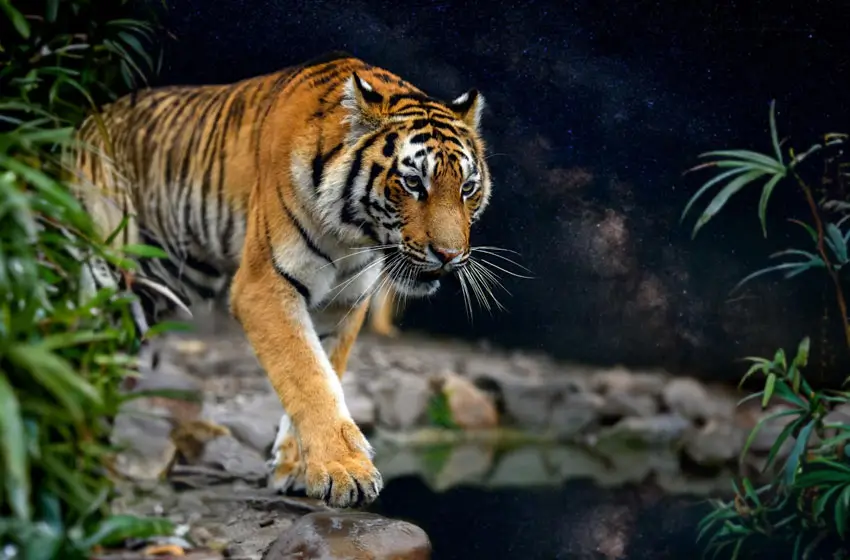
07 Days - 06 Nights
Delhi - Agra - Ranthambore - Jaipur - Delhi
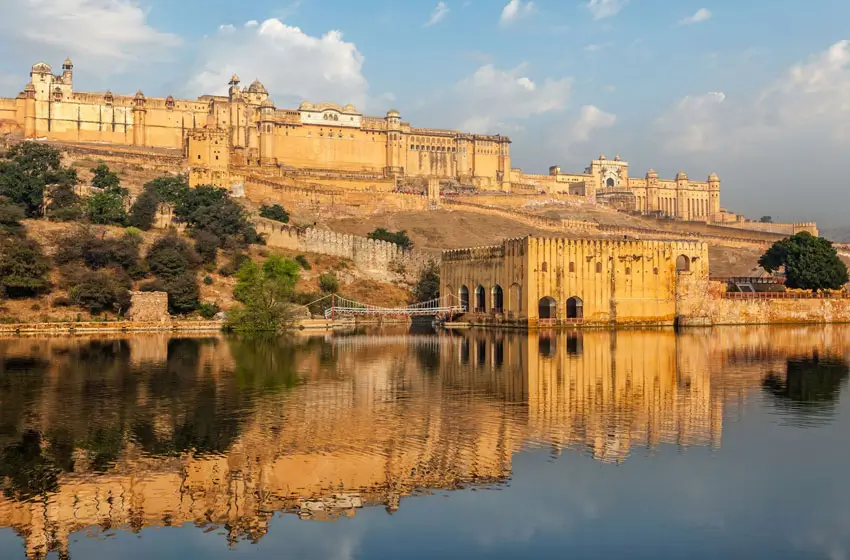
10 Days - 09 Nights
Jaipur - Jodhpur - Ranakpur - Udaipur
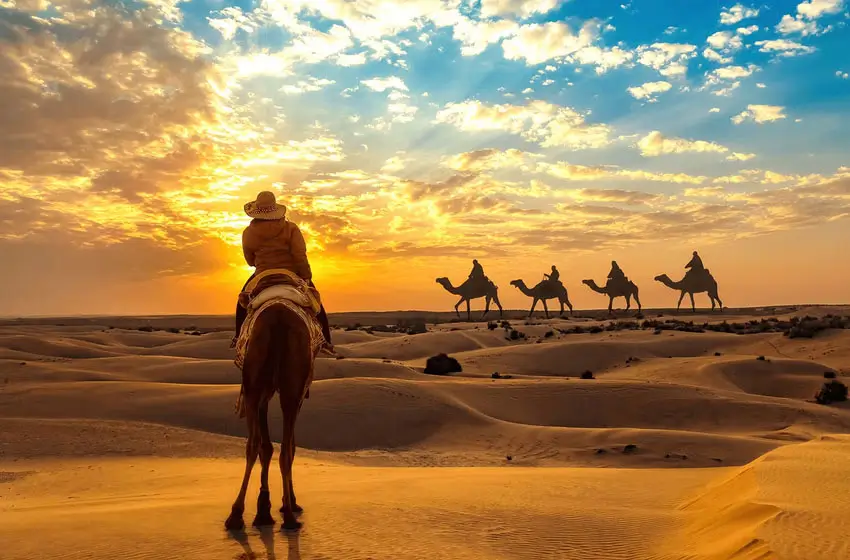
09 Days - 08 Nights
Jaipur - Jodhpur - Jaisalmer - Udaipur

08 Days - 07 Nights
Delhi - Jaipur - Amritsar