
Jodhpur, famously called the Blue City, is one of Rajasthan’s most enchanting destinations. Known for its sea of blue-painted houses and the towering Mehrangarh Fort that dominates the skyline, Jodhpur is a city that combines history, culture, and desert charm. Founded in 1459 by Rao Jodha, the city once served as the capital of the Marwar kingdom. Today, it welcomes travelers with royal forts, vibrant bazaars, traditional crafts, and a desert landscape that sets it apart. Whether it is the grandeur of palaces, the simplicity of village life, or the flavors of Rajasthani cuisine, Jodhpur creates an experience that lingers long after a journey ends.
Jodhpur’s origins lie in the 15th century when Rao Jodha, a Rathore Rajput ruler, established the city as the seat of Marwar. The city prospered due to its strategic location on trade routes linking Delhi with Gujarat. Over time, it grew into a powerful Rajput state known for its warriors, palaces, and forts. The city walls and gates built centuries ago still mark its heritage. Jodhpur’s culture is deeply rooted in Rajput traditions of hospitality, bravery, and artistry, which remain visible in its architecture and festivals.
Mehrangarh Fort
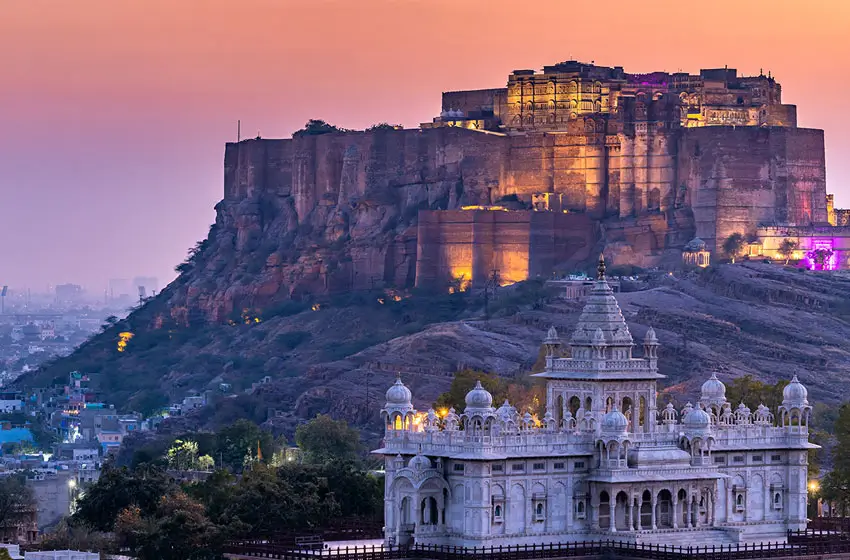
Mehrangarh Fort stands on a rocky hill overlooking the city and is one of the largest forts in India. Built by Rao Jodha, it houses palaces with intricate carvings, courtyards, galleries, and a museum displaying royal artifacts. The fort’s ramparts provide panoramic views of the blue houses below, creating one of India’s most iconic sights.
JaswantThada
Located near Mehrangarh Fort, JaswantThada is a marble cenotaph built in memory of Maharaja Jaswant Singh II. Its finely carved marble, peaceful gardens, and lake make it a serene spot.
UmaidBhawan Palace
This grand palace, built in the 20th century, remains partly a royal residence, a luxury hotel, and a museum. Designed with Indo-Deco influences, it symbolizes Jodhpur’s transition into modern times.
Clock Tower &Sardar Market
At the heart of the city, the Clock Tower area is surrounded by Sardar Market, a bustling bazaar where travelers can shop for spices, handicrafts, and textiles. The colorful atmosphere reflects the soul of Jodhpur.
Mandore Gardens
Located outside the main city, Mandore was once the seat of the Marwar rulers. The gardens house cenotaphs, temples, and statues, offering a glimpse into the region’s history.
Rao Jodha Desert Rock Park
Created to restore the natural ecology of the rocky terrain near Mehrangarh Fort, this park is ideal for nature walks and bird watching.
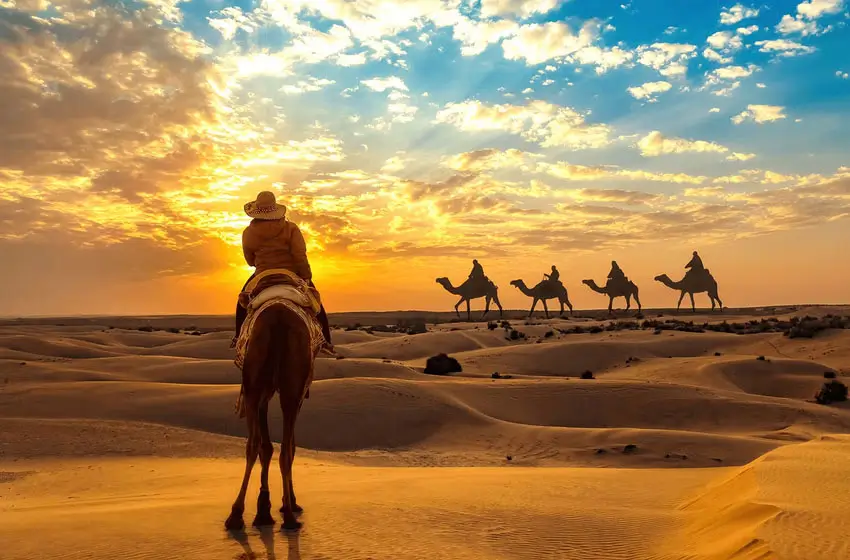
Jodhpur is synonymous with royal experiences. Travelers can stay in UmaidBhawan Palace, one of the world’s most luxurious heritage hotels, where royal traditions meet modern comfort. A guided heritage walk through the old city allows guests to experience the life behind the blue houses. Traditional cooking classes with local families, private dining in palace courtyards, and jeep safaris into the Thar Desert offer unique touches to a luxury trip. Adventurous travelers can try zip-lining near Mehrangarh Fort, combining history with thrill.
Beyond its famous sites, Jodhpur hides cultural treasures. Step inside the narrow lanes near Brahmapuri to see the iconic blue-painted houses up close. Visit ToorjikaJhalra, a restored stepwell that has become a lively spot filled with cafes. The lesser-known Mahamandir Temple, with its intricate stone carvings, is a peaceful escape. Exploring Bishnoi villages around Jodhpur offers a chance to see rural life and traditional crafts.
The most comfortable months to explore Jodhpur are October to March, when the desert climate is cooler. Winter mornings are perfect for sightseeing, while evenings bring cultural performances and vibrant bazaars. The Marwar Festival, usually held in October, celebrates Rajput heritage through music and dance. Summers can be extremely hot, with temperatures often crossing 40°C, making it less favorable for daytime exploration.
Jodhpur’s food scene is a mix of spicy Rajasthani dishes and sweet delights. Must-try items include mirchivada, pyaazkachori, and mawakachori. Traditional dishes like gattekisabzi and kersangri reflect desert cuisine. The city’s sweets, especially gulabjamun and ghevar, are popular across Rajasthan. Shopping in Jodhpur is a colorful experience—Bandhani textiles, embroidered juttis, and handicrafts are easily found in Sardar Market. Antique shops and boutiques also offer souvenirs that reflect Jodhpur’s royal culture.
Umaid Bhawan Palace leads the list of luxury stays in Jodhpur, offering a royal lifestyle. RAAS Jodhpur, a boutique hotel with views of Mehrangarh Fort, combines heritage with modern design. Taj Hari Mahal and Ajit Bhawan are other premium options that provide a royal atmosphere. For unique stays, heritage havelis converted into boutique hotels offer charm and authenticity.
Light cotton clothes are recommended for daytime, while evenings in winter may require a light jacket. Hiring a private car with a driver is the easiest way to explore, especially when visiting villages and desert attractions outside the city. Carry cash for local markets, but use cards in established shops and hotels. When visiting temples or rural areas, modest clothing and respect for local traditions are appreciated.
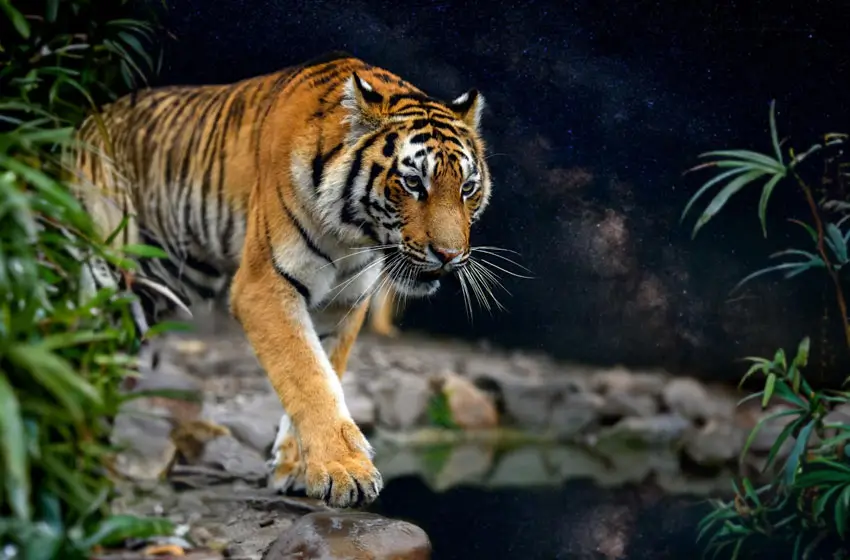
07 Days - 06 Nights
Delhi - Agra - Ranthambore - Jaipur - Delhi
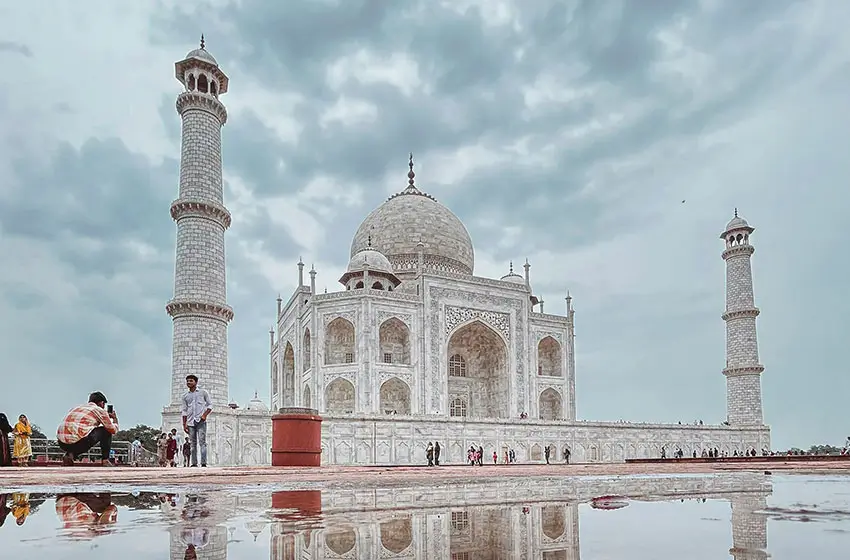
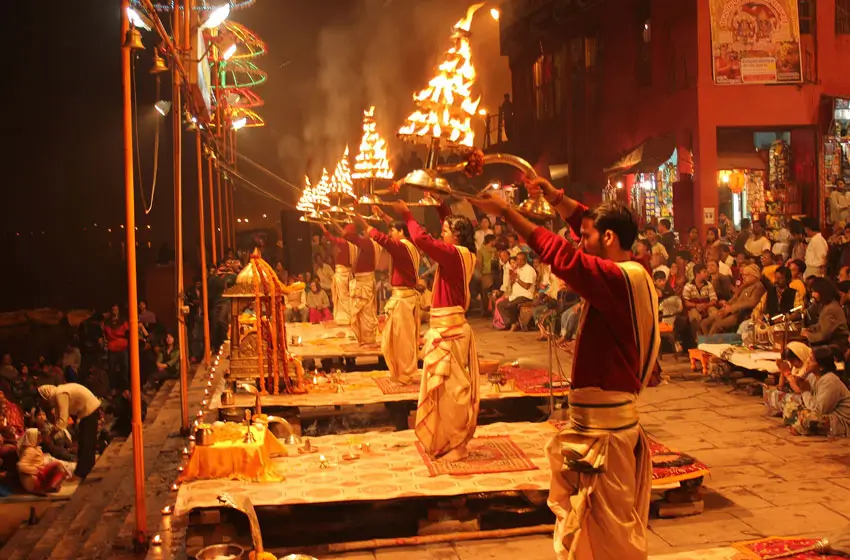
08 Days - 07 Nights
Delhi - Agra - Jaipur - Varanasi
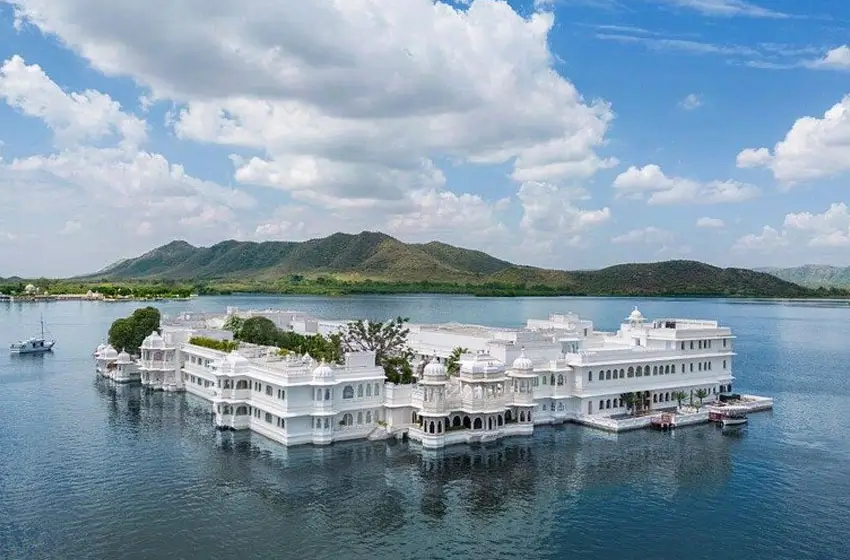
09 Days - 08 Nights
Delhi - Agra - Fatehpur Sikri - Jaipur - Delhi
11 Days - 10 Nights
Jaipur - Bikaner - Jaisalmer - Jodhpur - Udaipur - Pushkar - Jaipur
10 Days - 09 Nights
Jaipur - Jodhpur - Ranakpur - Udaipur
09 Days - 08 Nights
Jaipur - Jodhpur - Jaisalmer - Udaipur