
Jaisalmer, often called the Golden City, rises like a mirage from the heart of the Thar Desert. Its honey-golden sandstone architecture glows under the desert sun, making the city one of India’s most picturesque destinations. Founded in the 12th century by Maharaja RawalJaisal, Jaisalmer is famous for its fort that houses an entire living community, intricately carved havelis, colorful bazaars, and sweeping sand dunes. For travelers, Jaisalmer offers an unmatched combination of history, desert charm, and vibrant Rajasthani culture. From camel rides on golden sands to evenings lit with folk dance and music, the city creates an experience that blends heritage with desert adventure.
Jaisalmer was established in 1156 by Maharaja RawalJaisal, a Bhati Rajput ruler. Its location along ancient trade routes linking India to Central Asia brought prosperity to the city. Merchants and nobles built lavish mansions that remain intact today. Unlike other Indian forts, Jaisalmer Fort is unique as it still houses thousands of residents, temples, shops, and guesthouses within its walls. Over centuries, Jaisalmer has maintained its desert identity and continues to be a living heritage city where tradition thrives alongside modern tourism.
Jaisalmer Fort (Sonar Quila)
The crown of the city, Jaisalmer Fort, also known as Sonar Quila or the Golden Fort, is one of the largest fully preserved fortified cities in the world. Its winding alleys lead to Jain temples, palaces, shops, and homes. Unlike most forts, this one is alive with activity, giving visitors the rare experience of stepping into a heritage city that is still inhabited.
Patwonki Haveli
This is a cluster of five mansions built by wealthy merchants in the 19th century. Famous for its stone carvings, balconies, and frescoes, the haveli reflects the opulence of Jaisalmer’s trading community.
Salim Singh ki Haveli
Known for its peacock-shaped architecture and beautiful jharokhas, this haveli showcases the artistry of sandstone design. Its narrow structure and graceful arches make it one of the most photographed landmarks in Jaisalmer.
Nathmalki Haveli
Built by two architect brothers, this haveli combines traditional Rajput and Islamic designs. It is decorated with carvings of animals, flowers, and motifs that highlight local craftsmanship.
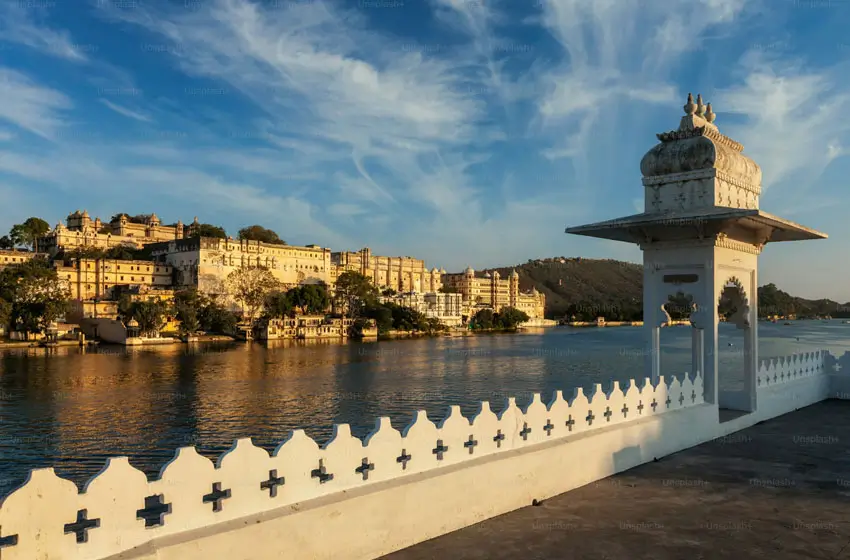
Gadsisar Lake
An artificial lake built by Maharaja Gadsi Singh, it once served as Jaisalmer’s water supply. Surrounded by temples, shrines, and ghats, the lake is a peaceful retreat, especially during sunrise and sunset.
Sam Sand Dunes
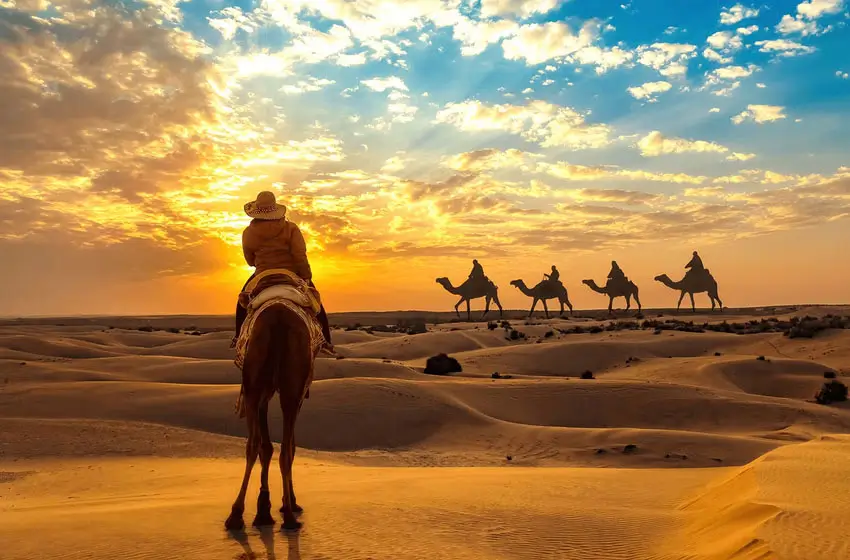
Located about 40 km from the city, the Sam Sand Dunes are the highlight of Jaisalmer’s desert experience. Camel safaris, jeep rides, and cultural evenings under the starlit sky make it a must-visit.
Jaisalmer offers desert adventures in royal style. Travelers can stay in luxury desert camps equipped with comfortable tents, fine dining, and cultural performances. Camel rides at sunset over the dunes create unforgettable memories, while jeep safaris offer a more thrilling way to explore the desert. Inside the city, heritage hotels located within old havelis provide an intimate royal experience. Exclusive dining experiences on fort rooftops, traditional puppet shows, and private folk music performances add a unique charm to a Jaisalmer trip.
Beyond the main attractions, Jaisalmer holds lesser-known treasures. Kuldhara, an abandoned village on the outskirts, carries stories of a mysterious past. The BadaBagh, with its royal cenotaphs, is a striking site especially at sunrise or sunset. The narrow alleys of the fort hide small shops selling hand-embroidered textiles and camel leather products, where travelers can meet artisans directly. For photography lovers, the golden glow of streets in the early morning offers rare moments away from the tourist crowds.
The desert climate makes winter (October to March) the best time to visit. Days remain pleasant and nights cool, ideal for desert camping and sightseeing. The Jaisalmer Desert Festival, usually held in February, is a grand showcase of folk music, camel races, turban-tying competitions, and cultural displays. Summers are extremely hot, with temperatures above 40°C, while the monsoon season brings only limited rainfall.
Food in Jaisalmer reflects desert traditions. Dishes like kersangri, dal baatichurma, and gattekisabzi are staples. Street food such as kachoris and mirchipakoras offer local flavors. Sweet lovers must try ghontualaddoo and mawa sweets. For shopping, Jaisalmer is famous for mirror-embroidered fabrics, camel leather bags, silver jewelry, and stone carvings. Bazaars inside the fort and along the main streets remain colorful and lively. Bargaining is part of the shopping experience but should be done respectfully.
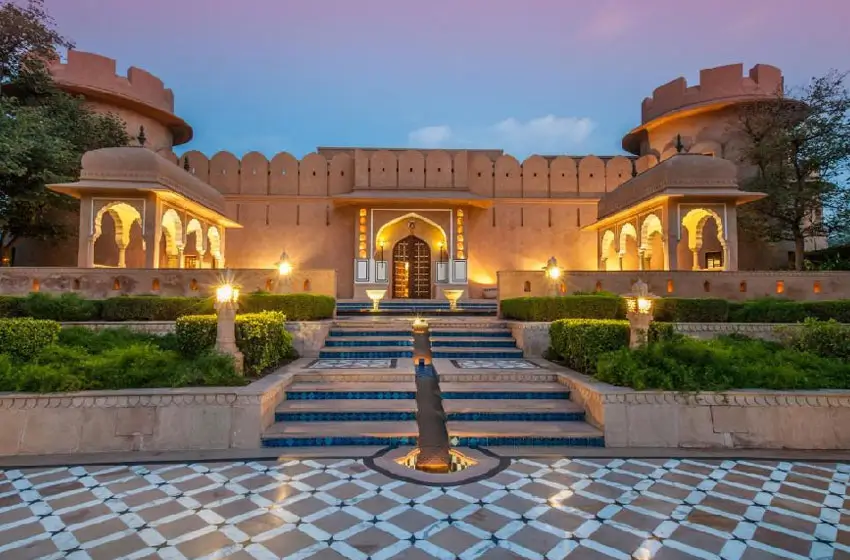
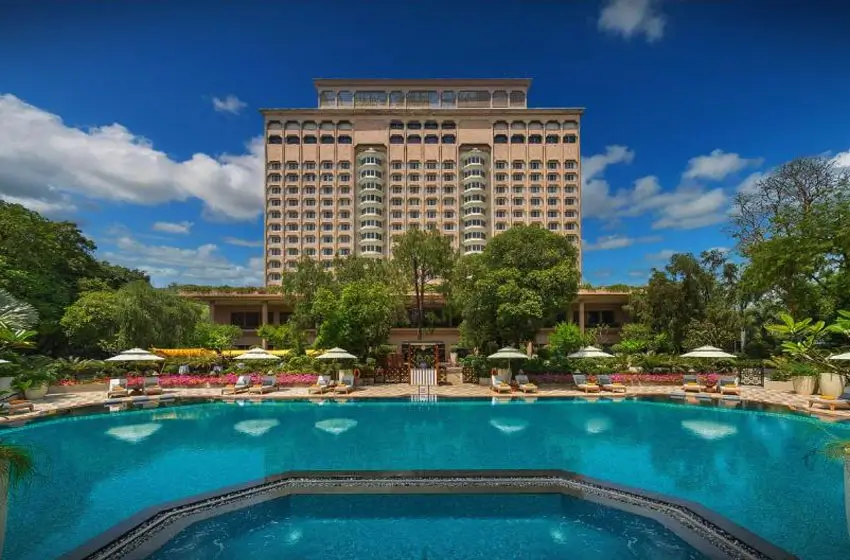
For a royal stay, SuryagarhJaisalmer offers luxury in the middle of the desert, with palace-style architecture and curated experiences. Fort Rajwada and Jaisalmer Marriott Resort & Spa are other premium choices blending comfort with tradition. Inside the fort, boutique heritage stays such as Mandir Palace provide a close connection with history. For those seeking adventure, luxury desert camps such as The SeraiJaisalmer offer premium tents with world-class facilities.
Since Jaisalmer lies in the desert, comfortable cotton clothing is best for daytime, with light woolens required at night in winter. Travelers should carry sunscreen, sunglasses, and water bottles while exploring the fort and dunes. Hiring a private guide enriches the visit with stories of the city’s past. It is also advisable to book desert camps in advance, especially during the peak season. Respect local traditions when visiting temples and rural areas, and support local artisans by purchasing authentic handicrafts.
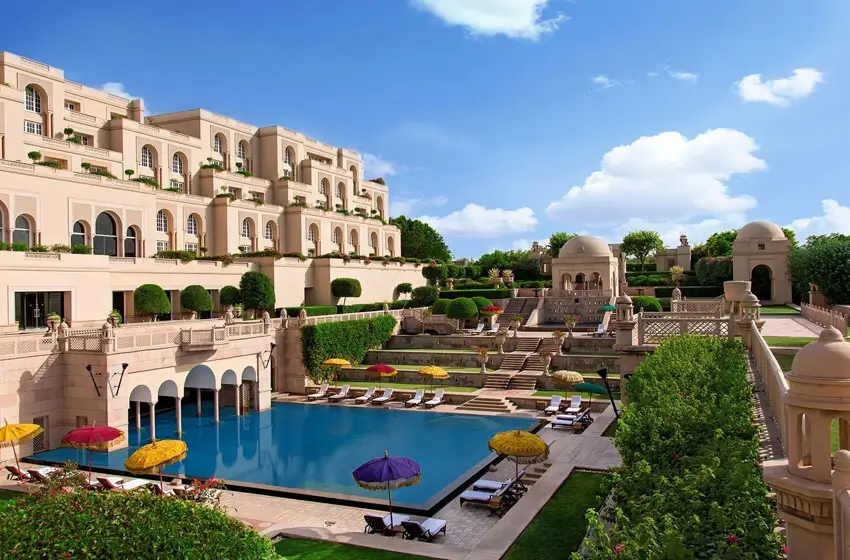
06 Days - 05 Nights
Delhi - Agra - Jaipur
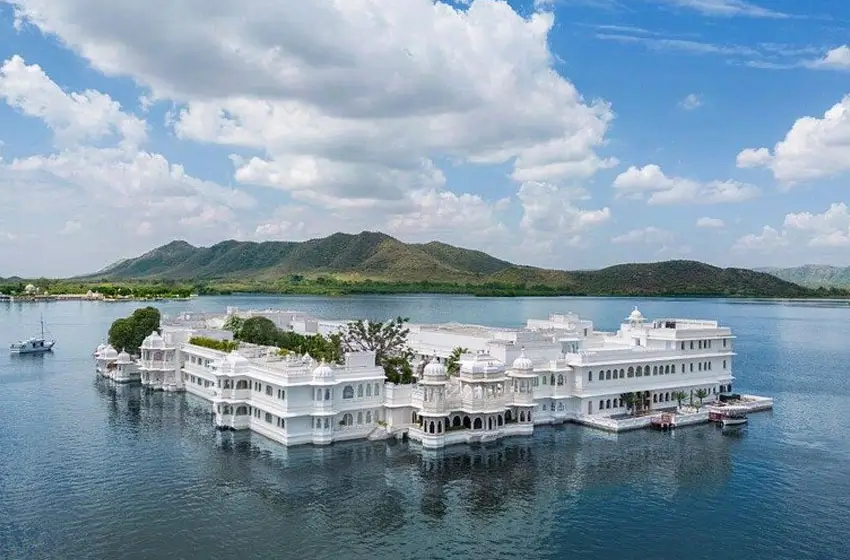
09 Days - 08 Nights
Delhi - Agra - Fatehpur Sikri - Jaipur - Delhi
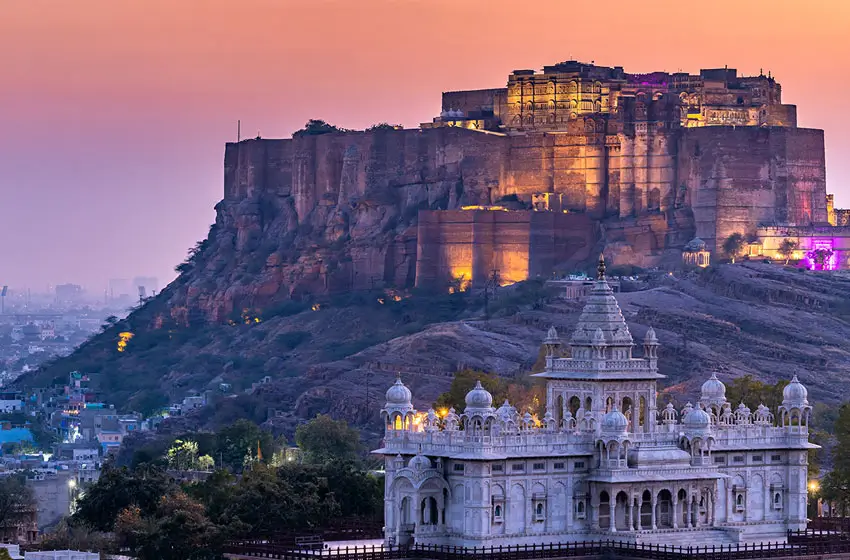
11 Days - 10 Nights
Jaipur - Bikaner - Jaisalmer - Jodhpur - Udaipur - Pushkar - Jaipur
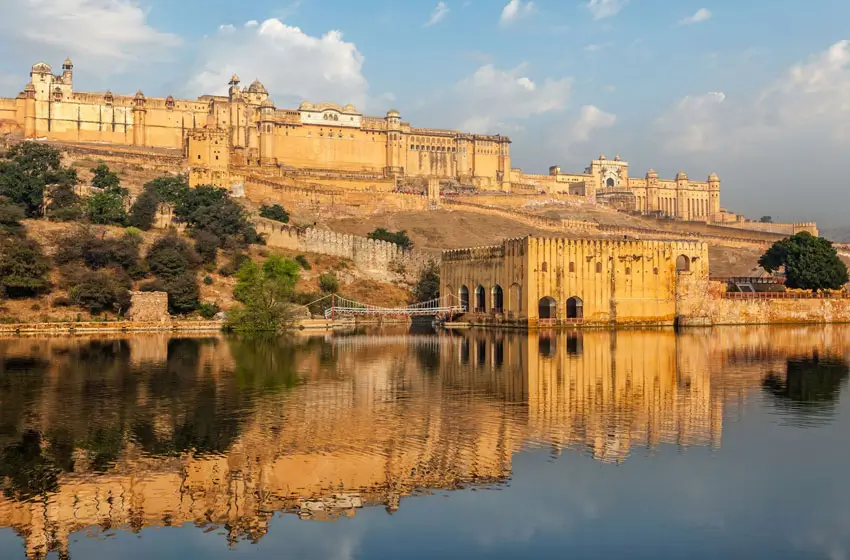
10 Days - 09 Nights
Jaipur - Jodhpur - Ranakpur - Udaipur
09 Days - 08 Nights
Jaipur - Jodhpur - Jaisalmer - Udaipur
08 Days - 07 Nights
Delhi - Agra - Fatehpur Sikri - Jaipur - Delhi
09 Days - 08 Nights
Jaipur - Jodhpur - Udaipur - Agra
11 Days - 10 Nights
Delhi - Agra - Jaipur - Fatehpur Sikri - Udaipur - Varanasi